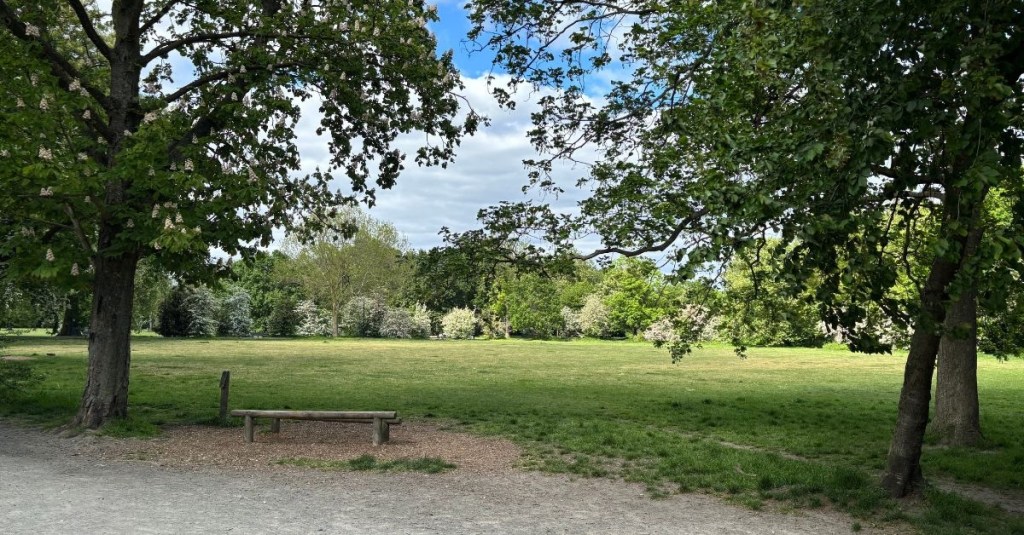
Wandsworth Common users are reporting out-of-control dogs and speedy cyclists. How can safety issues be improved?
Wandsworth Common in South-West London is a hive of activity. On any given day you’ll see cyclists, dog-walkers, buggies and zimmer-frames. Those into competitive sport can enjoy matches on its vast cricket field and tennis courts, or outdoors fitness classes with professional instructors.
Wandsworth Common’s 177 acres stretch from Battersea at its northern end to the borders of Tooting in the south. It sounds like a lot of green space to go around, but its popularity has led to safety issues.
Julia Bott, local resident, common user and co-Chair of Friends of Wandsworth Common, (FOWC) a 900-member strong community group, receives complaints about out-of-control dogs and cyclists breaching the speed limit.
Founded in 2018, it sits alongside Wandsworth Common’s Management Advisory Committee (MAC) and managing agent Enable.
FOWC is the mouthpiece for user experience on the common via a members newsletter and a WhatsApp group which also shares updates with non-members: “We inform people and show them to whom they can communicate their views.”
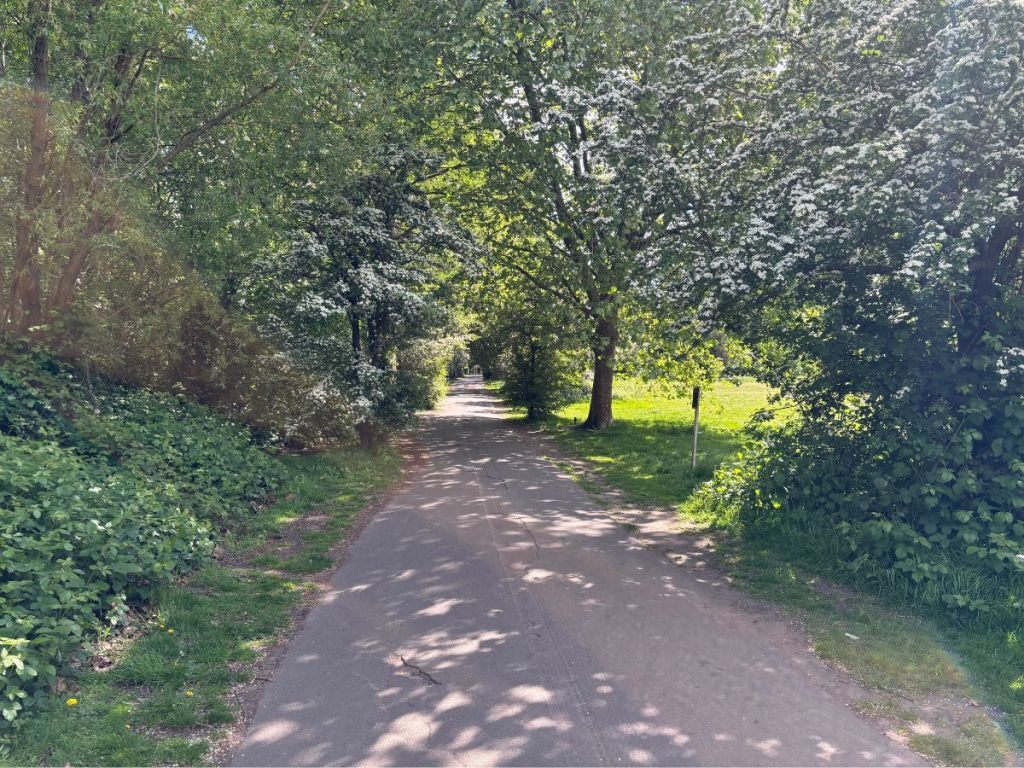
Disobedient dogs
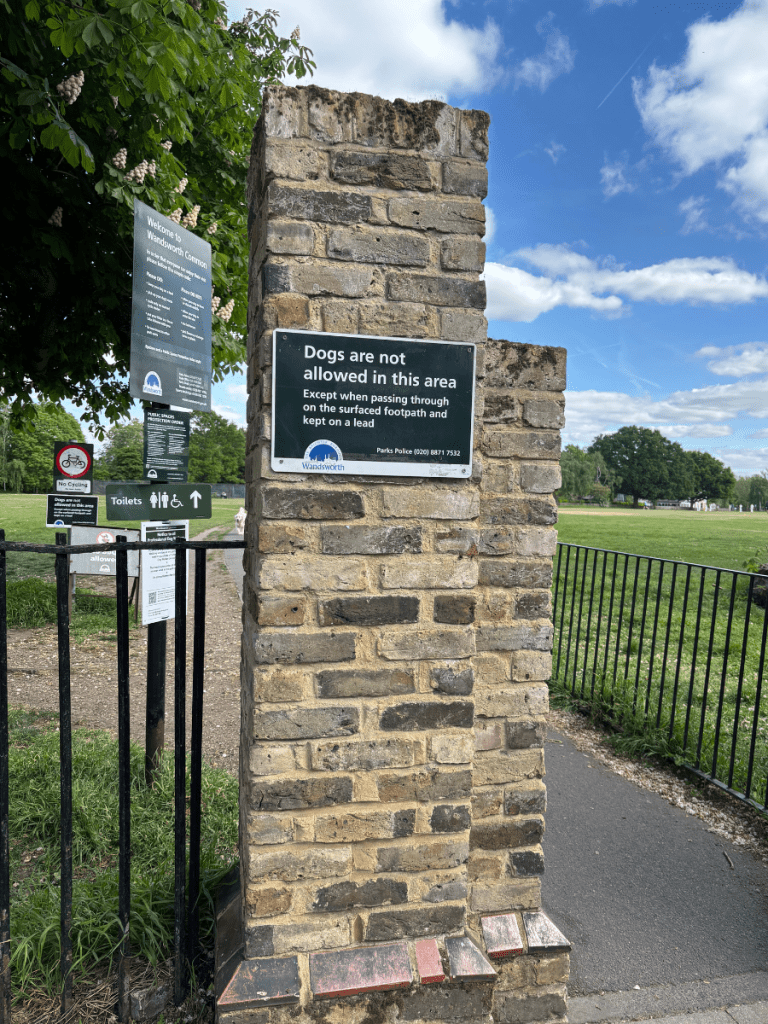
Dogs are a daily sight on Wandsworth Common, however warnings to dog owners are frequently issued, according to the FOWC website.
Julia recalls a lead-free dog that fled the common and ended up on the tracks at Wandsworth Common Station. A train driver who managed to stop the train in time approached the dog on the tracks which then “bit him.” Bleeding, the driver placed the dog on the platform and parked the train safely before going to hospital. The dog disappeared from the platform, ending up further down the line.
Another incident Julia remembers was when a dog entered the lake to pursue a swan and couldn’t be removed by the owner for half-an-hour, who was forced to wade in. “People were screaming at her to get it out.”
Such scenes, she tells me, aren’t uncommon.

The byelaws, local laws that govern use of Wandsworth Common, state a dog must obey its owner after three commands, or else it’s out of control.
In the lake instance, the dog owner breached the dog obedience rule and the lake and pond rules too, which state dogs should be on a lead near water as they can harm wildlife and plant-life, with anti-flea treatments lethal to organisms.
Julia has seen dog owners traverse dog free zones, including dog-owning parents entering the playground. The dog-free rule is in place to prevent contamination from dog faeces. “You hear lots of excuses,” she says. “If I had a pound for every time someone said: ‘I was just going in there for a moment’.”
She once encountered a man training his dog inside the playground. When she referred to the rules his response was “there’s no one here.”
The Parks Police, appointed by Wandsworth council, can fine users for byelaw breaches. “A byelaw is still the law and I think many people don’t understand that.” A lack of awareness around the legal status of byelaws could explain a culture of indifference towards the rules.
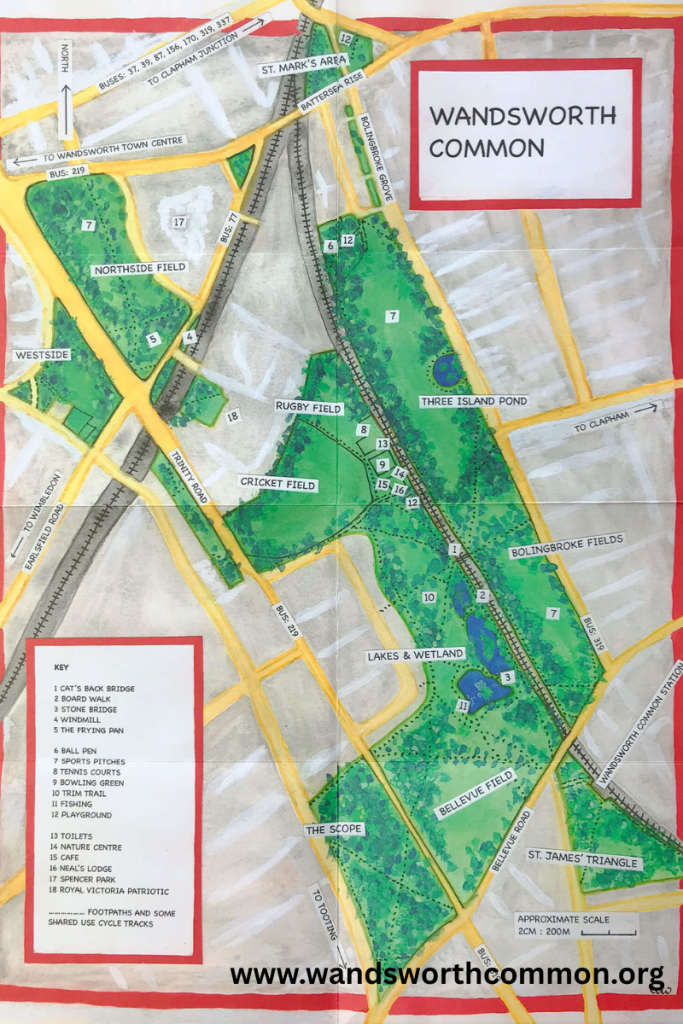
The FOWC is also getting “a considerable number of complaints” about people “cycling dangerously” through Wandsworth Common. “A few will disregard the rules on speed and where it’s legal to cycle,” Julia explains.
Cyclist speeding
The complainants, which include dog-owners, parents of small children and the elderly are right to be worried about speedy bikes, (byelaws state the speed limit as 12mph), considering the popularity of heavier, faster electronic models.
Aside from speeding, Julia thinks cyclist behaviour “has changed” with some “hurling abuse” if walkers are “in their way.”
While she commends the “positive” environmental step cyclists are making in forgoing cars, she wants “people to use the common with respect to other users.”
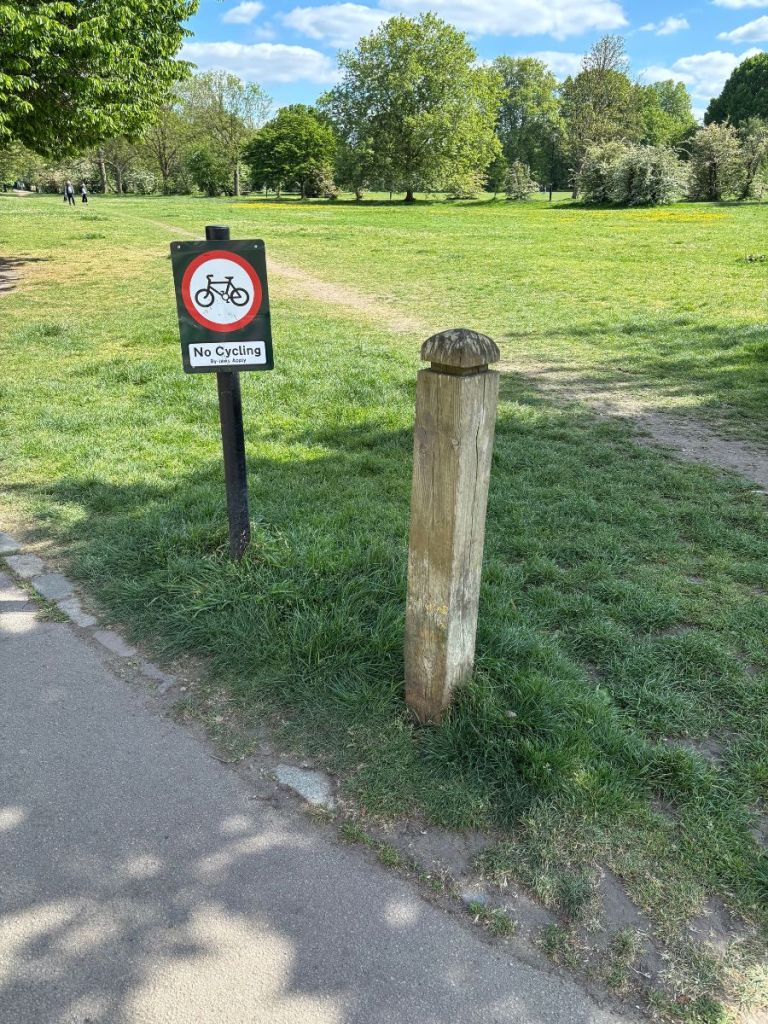
Poor sign knowledge means some cyclists are unsure whether to ride or dismount in certain areas: “They should know the law,” she states. “You are expected to know the legal signs around driving and the same should be true of cycling.”
According to the FOWC website byelaw breaches “related to cycling are the single biggest reason for the police to issue verbal and written warnings,” and considering the damage a fast moving bike can do, it’s no wonder.
Not all byelaw related exchanges have been pleasant for the FOWC co-chair: “I’ve had a lot of abuse over the years,” she admits.
Heated interactions
While out walking Julia was approached by an off-the-lead dog which snarled, barked and circled her. She asked the owner to call it away but the owner became defensive, stating the right of dogs to be off the lead, and in Julia’s words, made prejudicial references to her age and threatened to bring legal action against her as they were “a lawyer.” The situation left her rattled.
Several factors have paved the way for these sorts of exchanges. Population pressure is one.
Government data published in 2022 found that nearly half of adults in England (45%) spent more time outdoors than before the pandemic. They are walking more too, statistics published in 2024 revealed the number of walking trips per person has increased by 5% since 2019. In 2022, Londoners sat above the national fitness figure in a survey by public body Sport England.
If statistics show we are increasingly out-of-doors and fitter, it makes sense that Londoners especially, considering many don’t have the luxury of private gardens, are populating green spaces.
Add to this the high-rate of dog ownership; 46% of homes in London have a dog according to a 2024 study by UK Pet Food, and, sadly, a substantial rise in dog attacks in the post lockdown years between 2021 to 2023, according to the Met Police, and it’s clear that overcrowding in green spaces, such as Wandsworth Common, can lead to health and safety issues.
Breaching byelaws
There are nine Parks Police officers for Wandsworth’s green spaces. Considering Wandsworth Council cares for some thirty-three green spaces, it’s not much.
Speaking of Parks Police, Winkie Spiers, a Wandsworth based dog trainer of two decades is “surprised” it could be “as many” as nine “because you don’t ever see them”, although she admits they’re likely “stretched with resources.”
Her chief concern is the “enormous number of dogs” on Wandsworth Common but adds that irresponsible dog owners, not dogs, are to blame: “Everyone thinks they’ve got the right to do whatever they want and that creates conflict. We’re not very tolerant with each other.”
There’s been another interesting development on Wandsworth Common, earphone culture. “I’ve seen dogs toileting on the common,” she says. “I call the person but they don’t hear or turn around because they’ve got things [earphones] in. They’re not seeing their dog is stealing from somebody’s picnic, jumping all over people while they’re exercising, or jumping in a pond which they’re not supposed to do.”
It seems the communal spirit of the common is being eroded by personal technology, cutting users off from others, and in some cases, from their responsibilities.
Winkie, who has used Wandsworth Common for years, no longer holds dog walking classes there due to how busy it is: “It just doesn’t feel safe.”
She avoids the common in a personal capacity too and cites safety issues caused by “cyclists and scooters” mounting pedestrian paths and frightening her dogs as the reasons why.
Busy times on the common are described by the dog trainer as “rush hour” where you have to “have your wits about you” or risk getting knocked over.
Potential solutions for her include “designated” and “policed” cycle and footpaths and specific areas for running. All good ideas in theory, but considering limited policing presence and probably budgets, such implementations seem unlikely.
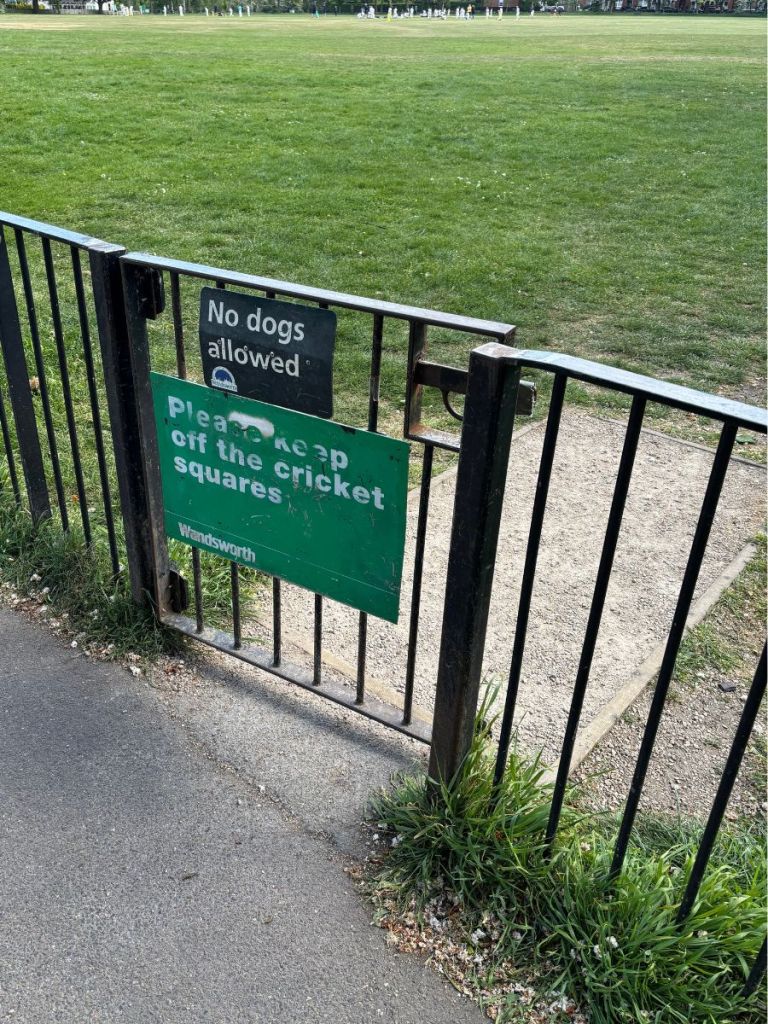
Policing by common users could be the answer. “If all users put others to task in the old ways of community responsibility I think we’d get a lot further,” says Julia.
Community action may be the only way to prevent stricter rules being introduced like off-lead bans for dogs. While Tower Hamlets Council dropped a proposed off-lead ban after public pressure, future incidents caused by out-of-control-dogs, cyclists and other green space users could hasten the introduction of measures that curtail personal freedoms in green areas.
Safety isn’t the only concern on Wandsworth Common, inclusivity is too, particularly enjoyment among minority groups.
Minority groups
The FOWC saw more ethnic minority groups using the common during Covid: “It’s a homogeneous demographic around Wandsworth Common and it was a real pleasure to see a more heterogeneous demographic enjoying it,” says Julia of that period.
Today, she admits things have gone back to where they were before, namely limited participation from ethnic minorities.
Rising dog ownership and breaching byelaws, including dog owners entering dog free zones, could have contributed to the fall off in ethnic minority groups visiting the common. “Dogs off leads need not be the norm in all urban and country parks at all times,” wrote Dr Bridget Snaith, a senior lecturer from the University of East London in written evidence submitted to UK Parliament in 2016. “Providing dog free parks or really large dog free areas in parks, particularly in summer, could meet the needs of many people of all ethnicities who don’t enjoy the presence of dogs, their associated mess, and fears for child safety.”
While Wandsworth Common has clear dog free zones, if dog owners breach rules and enter these zones, minorities may continue to stay away.
The good news is the FOWC is trying to engage common users in communal affairs, one example was a dog show they held on Wandsworth Common last summer. After a “successful” first outing, Julia says they plan to hold one again this year. Hopefully, social activities like this should challenge what Winkie calls the “insular” spirit of some users.
Green spaces like Wandsworth Common are some of the last egalitarian spaces left in our capital which all groups can enjoy.
But if certain demographics dominate, others lose out. Without the resources to adequately police use, it’s down to common users to police themselves, others, and lead by example, all decent principles to follow.
Wandsworth Council declined the offer to contribute to this article.
 Annie May Byrne Noonan
Leave a comment